- Welcome to Tengjun New Materials (Thailand) Co., Ltd.!
- Return to Home | Add to Favorites | Contact Us

-
For many years, we have focused on polishing fluids, abrasives, polishing pads,
oil thinners, thinners, various cleaning agents, paint removers,
water glass silica sol, and organic solvent products.
-
- Polishing Fluid
Contact us by phone
- Polishing Fluid
-
0622023113

Mobile: 0622023113
WeChat: 15820932092
Email: yuyuancheng839@gmail.com
Thailand Address: Chonburi, Thailand
China Address: Building 4, No. 692, Dalingshan Section, Shida Road, Dalingshan Town, Dongguan City, Guangdong Province, China
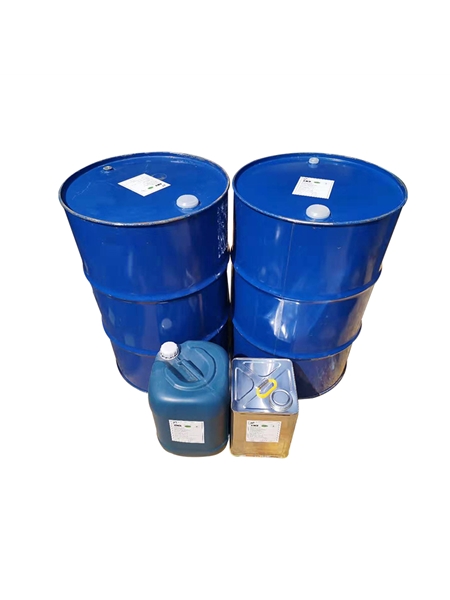
Pure kerosene is a colorless and transparent liquid [1], while impurities give it a pale yellow kerosene color. It has a slight odor.
Boiling range: 180–310℃ (not absolute, and may vary depending on specific circumstances during production).
Freezing point: -47℃ (-40℃ for JET A).
Average molecular weight: 200–250.
Density: 0.8 g/cm³.
Melting point: above -40℃.
Kinematic viscosity at 40℃: 1.0–2.0 mm²/s. Insoluble in water, readily soluble in alcohols and other organic solvents. Volatile. Flammable. After volatilization, it mixes with air to form an explosive mixture. Explosion limit: 2–3%. It burns completely, with sufficient brightness, a stable flame, no black smoke, no lamp sparks, no obvious odor, and minimal environmental pollution.
The chemical composition of kerosene varies depending on its intended use. The physicochemical properties of the same type of kerosene can vary depending on the production method and origin.
The quality of kerosene decreases in the following order: power kerosene, solvent kerosene, lamp kerosene, fuel kerosene, and washing kerosene.
Depending on the type, kerosene contains 28-48% alkanes, 20-50% or 8-15% aromatics, 1-6% unsaturated hydrocarbons, and 17-44% cyclic hydrocarbons. It has 11-16 carbon atoms. In addition, it contains small amounts of impurities such as sulfides (thiols) and gums. The sulfur content is 0.04%-0.10%. It does not contain benzene, dienes, or cracked fractions.
Properties and Stability
Colorless or pale yellow liquid with a slightly pungent odor. Kerosene is miscible with petroleum-based solvents. It has very low solubility in water; kerosene containing aromatic hydrocarbons has higher solubility in water than kerosene containing aliphatic hydrocarbons. Kerosene can dissolve anhydrous ethanol. Mixtures with alcohols will separate into layers in the presence of water at low temperatures. Flammable liquid; keep away from fire. Kerosene is a petroleum fraction with a higher boiling point than gasoline, a mixture of high-boiling-point hydrocarbons with C11-C17 carbon atoms. Its main components are saturated hydrocarbons, with some unsaturated and aromatic hydrocarbons. The content of these hydrocarbons varies depending on the type of petroleum, processing method, and intended use. Its chemical properties are similar to petroleum-based solvents such as petroleum ether and gasoline.
Uses
Primarily used for lighting and as fuel for various blowtorches, gas lamps, gasification furnaces, and kerosene stoves; it can also be used as a detergent for mechanical parts, a solvent in the rubber and pharmaceutical industries, an ink thinner, a pyrolysis feedstock in organic chemicals; a process oil in the glass and ceramics industry, aluminum plate rolling, and chemical heat treatment of metal workpieces; some kerosene is also used to make thermometers. Based on its uses, it can be divided into power kerosene and lighting kerosene.
-
About Tengjun
About Us Corporate Image Application Cases Leave a Message Contact Us -
Product Center
Silica Sol Series Polishing Fluids, Abrasive Fluids, and Polishing Pads Series Paint thinner, paint thinner, cleaning, and paint stripper series Organic Solvents Series View More + -
News
Company NewsIndustry NewsFrequently Asked Questions
0622023113(Please feel free to contact us for inquiries)
Pre-sales, sales, and after-sales online services