- Welcome to Tengjun New Materials (Thailand) Co., Ltd.!
- Return to Home | Add to Favorites | Contact Us
-
For many years, we have focused on polishing fluids, abrasives, polishing pads,
oil thinners, thinners, various cleaning agents, paint removers,
water glass silica sol, and organic solvent products.
-
- Polishing Fluid
Contact us by phone
- Polishing Fluid
-
0622023113

Mobile: 0622023113
WeChat: 15820932092
Email: yuyuancheng839@gmail.com
Thailand Address: Chonburi, Thailand
China Address: Building 4, No. 692, Dalingshan Section, Shida Road, Dalingshan Town, Dongguan City, Guangdong Province, China
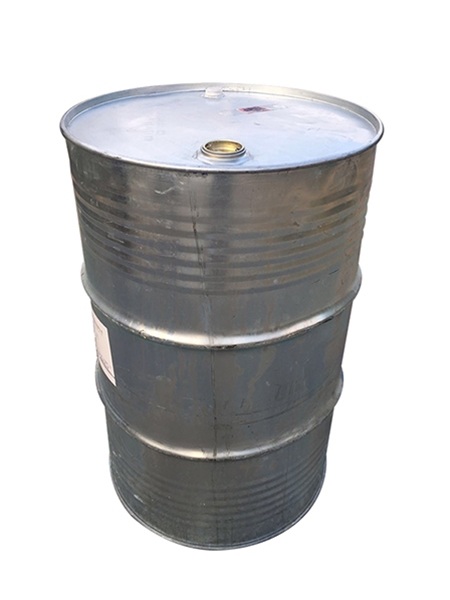
Physical properties
Physicochemical constants
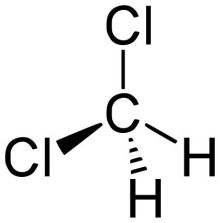
1. Properties: Colorless transparent liquid with an aromatic odor.
2. Melting point (°C): -97
3. Boiling point (°C): 39.8
4. Relative density (water=1): 1.33
5. Relative vapor density (air=1): 2.93
6. Saturated vapor pressure (kPa): 46.5 (20 °C)
7. Heat of combustion: 106.8 kcal/mol (oxygen, 25 °C) [7]
8. Critical temperature (°C): 237
9. Critical pressure (MPa): 6.08
10. Octanol/water partition coefficient: 1.25
11. Flash point (°C): -14.1
12. Ignition temperature (°C): 556
Molecular structure data
1. Molar refractive index: 16.38
2. Molar volume (m3/mol): 67.8
3. Isotropic specific volume (90.2) K): 148.8
4. Surface tension (dyne/cm): 23.1
5. Polarizability: 6.49
Uses
Dichloromethane has the advantages of strong dissolving power and low toxicity. It is widely used in the manufacture of safety film and polycarbonate. Other uses include as a coating solvent, metal degreasing agent, aerosol propellant, polyurethane foaming agent, mold release agent, and paint remover.
Dichloromethane is a colorless liquid used as a reaction medium in the pharmaceutical industry to prepare ampicillin, hydroxybenzylpenicillin, and cephalosporins. It is also used as a solvent in film production, a petroleum dewaxing solvent, an aerosol propellant, an organic synthesis extractant, a foaming agent for polyurethane and other foam plastics, and a metal cleaning agent.
In China, dichloromethane is mainly used in film production and the pharmaceutical field. Film production accounts for 50% of total consumption, pharmaceuticals 20%, cleaning agents and the chemical industry 20%, and other uses 10%. Dichloromethane is also used as a refrigerant in industrial refrigeration systems, but it is highly hazardous. Contact with open flames or hot objects produces highly toxic phosgene. It hydrolyzes in moist air to produce trace amounts of hydrogen chloride, and sunlight further promotes hydrolysis, increasing its corrosiveness to metals.
It is used in grain fumigation and refrigeration in low-pressure refrigeration and air conditioning units. It is used as an auxiliary blowing agent in the production of polyether-type urethane foam and as a blowing agent in extruded polysulfone-type foam.
-
About Tengjun
About Us Corporate Image Application Cases Leave a Message Contact Us -
Product Center
Silica Sol Series Polishing Fluids, Abrasive Fluids, and Polishing Pads Series Paint thinner, paint thinner, cleaning, and paint stripper series Organic Solvents Series View More + -
News
Company NewsIndustry NewsFrequently Asked Questions
0622023113(Please feel free to contact us for inquiries)
Pre-sales, sales, and after-sales online services