- Welcome to Tengjun New Materials (Thailand) Co., Ltd.!
- Return to Home | Add to Favorites | Contact Us
-
For many years, we have focused on polishing fluids, abrasives, polishing pads,
oil thinners, thinners, various cleaning agents, paint removers,
water glass silica sol, and organic solvent products.
-
- Polishing Fluid
Contact us by phone
- Polishing Fluid
-
0622023113

Mobile: 0622023113
WeChat: 15820932092
Email: yuyuancheng839@gmail.com
Thailand Address: Chonburi, Thailand
China Address: Building 4, No. 692, Dalingshan Section, Shida Road, Dalingshan Town, Dongguan City, Guangdong Province, China
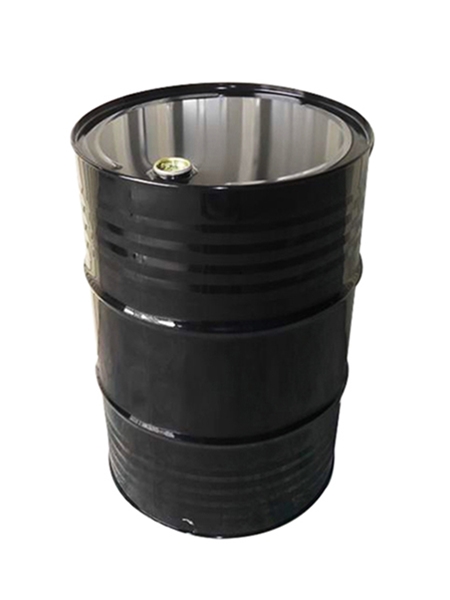
Ethyl acetate is a colorless, transparent liquid with low toxicity. It has a sweet taste, but at higher concentrations, it has a pungent odor. It is volatile, sensitive to air, and absorbs moisture, causing it to slowly hydrolyze and become acidic. It is miscible with chloroform, ethanol, acetone, and ether, and soluble in water (10% ml/ml). It can dissolve certain metal salts (such as lithium chloride, cobalt chloride, zinc chloride, and ferric chloride). Its relative density is 0.902. Its melting point is -83℃. Its boiling point is 77℃. Its refractive index is 1.3719. Its flash point is 7.2℃ (open cup). It is flammable. Its vapor can form explosive mixtures with air.
Basic Information
Chinese Name: Ethyl Acetate
English Name: Ethyl acetate
Other Names: Ethyl acetate, beet molasses residue
Chemical Formula: C4H8O2
Molecular Weight: 88.11 g·mol−1
CAS Registry Number: 141-78-6
EINECS Registry Number: 205-500-4
Melting Point: -84 °C (189.55 K)
Boiling Point: 77 °C (350.25 K)
Water Solubility: 8.3 g/100 mL (20 °C)
Density: 0.902 g/mL
Appearance: Colorless liquid
Flash Point: -4 °C
Applications: Organic chemicals, fragrances, paints, pharmaceuticals, etc.
Common Uses
1. As an industrial solvent, used in coatings, adhesives, ethyl cellulose, artificial leather, roofing felt colorants, synthetic fibers, etc.
2. As an adhesive, used in the production of printing inks and artificial pearls.
3. As an extractant, used in the production of pharmaceuticals, organic acids, and other products.
4. As a flavoring raw material, used as a main ingredient in fruit flavorings such as pineapple, banana, and strawberry, and flavorings for whiskey, cream, etc. It is also used in flavoring manufacturing, as well as in blending flavorings for spirits and artificial flavorings.
5. As an extractant, used to extract many compounds (phosphorus, tungsten, arsenic, cobalt) from aqueous solutions.
6. As an organic solvent. Used as a standard substance for calibrating thermometers when separating sugars.
7. Used for the determination of bismuth, gold, iron, mercury, oxidants, and platinum.
8. Used for the determination of bismuth, boron, gold, iron, molybdenum, platinum, potassium, and thallium.
9. Used in biochemical research, specifically for protein sequencing.
10. Used in environmental protection and pesticide residue analysis.
11. Used in organic synthesis.
12. It is a fast-drying solvent for nitrocellulose, ethylcellulose, cellulose acetate, and neoprene rubber, and is also a low-toxicity solvent used industrially.
13. It can also be used as a cleaning agent in the textile industry and an extractant for natural fragrances, and is also an important raw material in the pharmaceutical industry and organic synthesis.
-
About Tengjun
About Us Corporate Image Application Cases Leave a Message Contact Us -
Product Center
Silica Sol Series Polishing Fluids, Abrasive Fluids, and Polishing Pads Series Paint thinner, paint thinner, cleaning, and paint stripper series Organic Solvents Series View More + -
News
Company NewsIndustry NewsFrequently Asked Questions
0622023113(Please feel free to contact us for inquiries)
Pre-sales, sales, and after-sales online services