- Welcome to Tengjun New Materials (Thailand) Co., Ltd.!
- Return to Home | Add to Favorites | Contact Us

-
For many years, we have focused on polishing fluids, abrasives, polishing pads,
oil thinners, thinners, various cleaning agents, paint removers,
water glass silica sol, and organic solvent products.
-
- Polishing Fluid
Contact us by phone
- Polishing Fluid
-
0622023113

Mobile: 0622023113
WeChat: 15820932092
Email: yuyuancheng839@gmail.com
Thailand Address: Chonburi, Thailand
China Address: Building 4, No. 692, Dalingshan Section, Shida Road, Dalingshan Town, Dongguan City, Guangdong Province, China
Properties and Uses of Cyclohexanone
English Name: Cyclohexanone
Molecular Formula: C6H10O
Molecular Weight: 98.14
Compound Category: Aldehydes and Ketones
Description: A saturated cyclic ketone in which the carbonyl carbon atom is contained within a six-membered ring.
Properties: Colorless, transparent liquid with an earthy odor; when containing trace amounts of phenol, it has a minty smell. Impurities are pale yellow, changing color with storage time as impurities form, ranging from water-white to grayish-yellow, with a strong, pungent odor. Explosion limits when mixed with air: 3.2%–9.0% (by volume); flammable and volatile. Stable
Melting Point: -45℃
CAS No.: 108-94-1
Boiling Point: 155.6℃
Flash Point (Open Cup): 54℃
Relative Density (20/4℃): 0.9478 (water=1); 3.38 (air=1)
Solubility: Slightly soluble in water, soluble in organic solvents such as ethanol and ether. Solubility in water: 10.5% (10℃), solubility in water in cyclohexanone: 5.6% (12℃), readily soluble in ethanol and ether.
Refractive Index nD (20℃): 1.4507
Vapor Pressure: 2 kPa (47℃), 1.33 kPa (38.7℃)
Viscosity: [2.2 mPa·s (25℃)]
Autoignition Point: 520~580℃
Chemical Properties
Same as open-chain saturated ketones. Cyclohexanone can be oxidized to adipic acid (HOOC(CH2)4COOH) in the presence of a catalyst using air, oxygen, or nitric acid. Cyclohexanone oxime rearranges under acidic conditions to form caprolactam. These are raw materials for the production of Nexon 66 and Nexon 6, respectively. Cyclohexanone readily undergoes self-condensation in the presence of a base and also readily reacts with acetylene. Cyclohexanone was first obtained by the dry distillation of calcium pimelic acid. Large-scale production of cyclohexanone involves the catalytic hydrogenation of phenol followed by oxidation. Industrially, it is mainly used as a raw material and solvent in organic synthesis; for example, it can dissolve nitrocellulose, coatings, and paints.
Uses
Used as a raw material and solvent for synthetic resins and synthetic fibers.
Toxicity and Protection: High concentrations of cyclohexanone vapor have anesthetic properties and a depressant effect on the central nervous system. It is irritating to the skin and mucous membranes. High concentrations of cyclohexanone poisoning can damage blood vessels, causing myocardial, lung, liver, spleen, kidney, and brain lesions, resulting in large-scale coagulative necrosis. Through skin absorption, it can cause tremors, hypothermia, and ultimately death. It has low irritation at 25 ppm, but becomes intolerable above 50 ppm. The LC50 for mice is 0.008. The maximum permissible concentration of cyclohexanone in the workplace is 200 mg/m³. Production equipment should be sealed to prevent spills, leaks, drips, and spills. Operators must wear appropriate protective equipment.
Packaging and Transportation
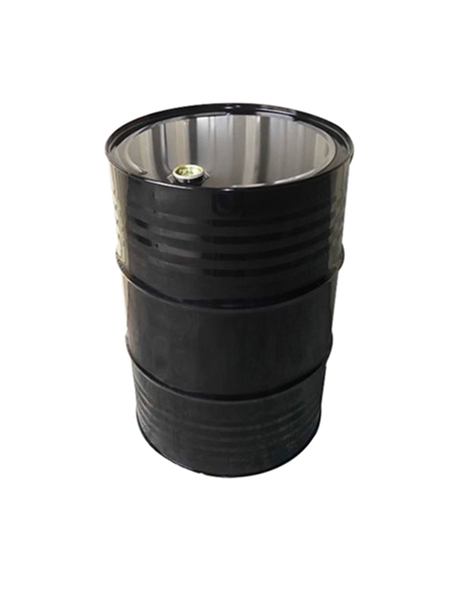
Packaged in iron drums, it can also be transported in tank trucks. Smoking and impacts are strictly prohibited during storage and transportation.
Main Uses
Mainly used in the manufacture of caprolactam and adipic acid; also an excellent solvent.
-
About Tengjun
About Us Corporate Image Application Cases Leave a Message Contact Us -
Product Center
Silica Sol Series Polishing Fluids, Abrasive Fluids, and Polishing Pads Series Paint thinner, paint thinner, cleaning, and paint stripper series Organic Solvents Series View More + -
News
Company NewsIndustry NewsFrequently Asked Questions
0622023113(Please feel free to contact us for inquiries)
Pre-sales, sales, and after-sales online services