

Polishing fluids and abrasives are generally familiar to most people, as these two products have wide applications and are commonly used in the manufacturing industry. But what are the differences between them, and how should their scope be defined? Let me explain in detail:
1. Abrasives: Abrasives are mixtures made from abrasives, dispersants (also known as polishing fluids), and auxiliary materials. They are conventionally classified as a type of abrasive tool. They possess excellent lubricating properties, improve machining accuracy and surface finish, effectively protect cutting tools, and extend tool life. During the grinding process, they act as emulsifiers, lubricants, and adsorbents, and promote chemical changes on the workpiece surface, forming easily detachable oxide or sulfide films, thereby improving machining efficiency.
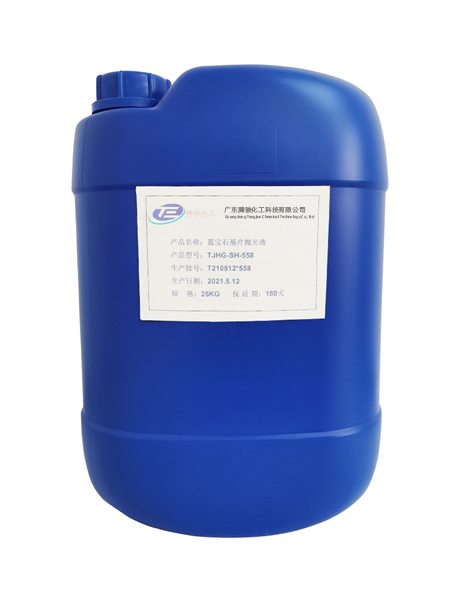
2. Polishing Fluid: A pale yellow or yellow transparent liquid preparation. Based on market demand, preparations for different materials are constantly being developed (including stainless steel polishing fluid, magnesium alloy polishing fluid, copper polishing fluid, aluminum alloy polishing fluid, glass polishing powder, and research polishing powder, etc.). It has the functions of being non-corrosive to stainless steel, maintaining the brightness of the metal surface, preventing discoloration, and eliminating burrs. It is suitable for polishing various stainless steel or metal products.
The above is an introduction to the difference between polishing fluid and abrasives. Besides their function, abrasives can appear in three forms: liquid, paste, and solid, while polishing fluids are only available in liquid form. Of course, their functions remain the same, so there is no need to worry; use them according to your needs.