

1. Co-solvent
A co-solvent is a solvent that forms a binary azeotrope at a relatively low temperature. This solvent acts as a potential synergist to fully penetrate the film, enhancing the solvent's stripping rate and accelerating solubility. Inexpensive co-solvents can also reduce costs. For paint remover application, use a brush: For large workpieces, apply the paint remover to the painted areas using a brush or cotton yarn. For thick paint films, repeat the application 2-3 times until the paint film comes off. The subsequent cleaning process is the same as for immersion applications. Environmentally friendly paint remover is made by uniformly mixing a certain amount of each component (alcohol, phenol, surfactant, thickener, paraffin, and penetrant). The paint remover is a liquid composed of aromatic compounds and highly solvent-soluble agents, possessing an extremely strong ability to dissolve paint films. It is fast-acting, highly efficient, and can remove a wide range of coatings, including alkyd, nitrocellulose, polyurea-formaldehyde rubber, ethylene, epoxy, polyester, polyurethane, and other paints, exterior wall coatings, and powder coatings. It has extremely strong paint removal capabilities. Compared with similar foreign products, this product achieves the same paint removal effect but saves approximately 20% of the paint removal time.
2. Activator
The activator accelerates and enhances the penetration and swelling effects of different solvents, enabling the paint remover to remove paint films with particularly strong chemical resistance. 3. Thickeners
The purpose of thickeners is to increase the viscosity of the paint remover, reduce its fluidity, and decrease its evaporation rate, which is beneficial for removing paint from large areas. Examples include cellulose, acrylic glass, etc.
Other thickeners, such as paraffin wax, are less volatile. By adding these paint removers, a thin film can be formed on the surface of the old paint film, sealing the surface and making it difficult for the solvent in the paint remover to evaporate, thereby improving the paint removal efficiency.
4. Surfactants
The purpose of surfactants is to make the water-based paint remover emulsion evenly dispersed, facilitating the peeling of the surface and rinsing. Depending on the specific requirements for removing paint, various additives can be added to improve the efficiency and effectiveness of the paint remover.
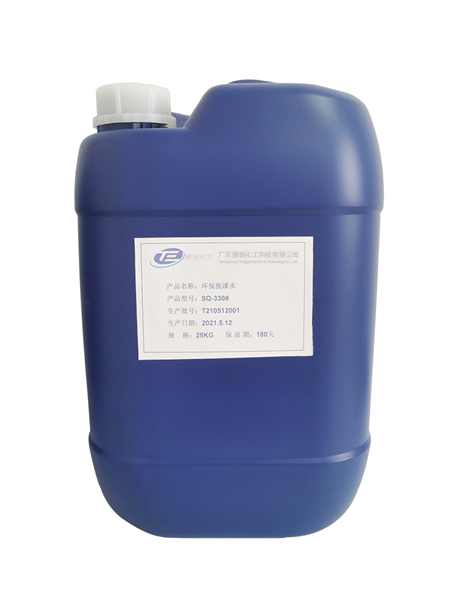
5. Novel Paint Removers
Traditional paint removers typically use methylene chloride as a solvent. However, as a chloride solvent, methylene chloride has high volatility, and research indicates it is carcinogenic. Currently, my country has not strictly restricted its use due to its occupational hazards and environmental pollution; the limit in the air is set at 100 ppm. Developed countries in Europe, America, and Japan have developed many paint removers that cannot replace methylene chloride. Alcohol ether type paint removers and benzyl alcohol type paint removers are two typical examples, as compared and analyzed.
6. Alcohol Ether Type Paint Removers
Due to its high solubility, permeability, high boiling point, and relatively low cost, as well as its excellent surfactant properties, ethylene glycol ethers are used as the main solvent to replace dichloromethane, achieving good results and more satisfactory paint remover performance.
7. Paint Remover for Plastic Substrates
Using dioxin paint removers to remove coatings from plastic substrates is particularly effective without damaging or causing other harmful effects on the plastic substrate. Studies have shown that a good paint remover formulation can be formed using 60% ethylene glycol monobutyl ether and 40% isopropanol. Adding an appropriate amount of thickener to the mixed solvent increases its viscosity to suit application methods such as dipping, brushing, or spraying. This formulation is also effective for coatings on metal, ceramic, cement, and masonry substrates.