

How to choose the right paint remover for your paint shop? We'll answer your questions. Environmentally friendly paint remover is made by mixing a certain amount of each component (alcohol, phenol, surfactant, thickener, paraffin, and penetrant) evenly. This paint remover is a liquid composed of aromatic compounds and highly solvent-rich solvents, possessing an extremely strong ability to dissolve paint films. It is fast, efficient, and can remove a wide range of coatings, including alkyd, nitrocellulose, polyurea-formaldehyde rubber, epoxy, polyester, polyurethane, and other paints, exterior wall coatings, and powder coatings. Its paint removal ability is extremely strong. Compared with similar foreign products, this product has the same paint removal effect but can save approximately 20% of the paint removal time.
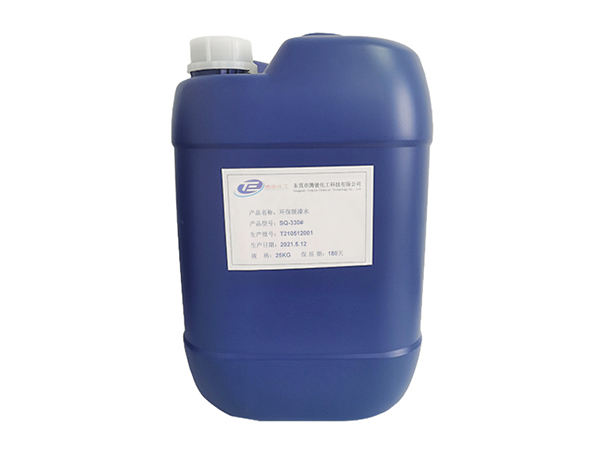
For brush-applying paint remover: For large workpieces, use a brush or cotton yarn to apply the paint remover to the painted areas. For workpieces with thick paint films, apply repeatedly 2-3 times until the paint film comes off. The subsequent cleaning process is the same as for immersion. Many customers feel they haven't chosen the right model and worry about potential negative impacts from a machine that doesn't meet their specific needs. To reassure customers and given the rapidly evolving technology, we've summarized some experiences with specific models, which we'll share here.
1. Choose by method: For larger workpieces, brush-applying is recommended. For smaller workpieces, we suggest different immersion methods.
2. Choose according to the substrate: Various metals have corresponding proprietary paint cleaners, ensuring the choice won't damage the workpiece substrate.
3. Choose according to the type of paint: If the paint is very thick, a strong paint cleaner is recommended.