

When purchasing environmentally friendly paint remover, the following points should be clarified to ensure a satisfactory solution. Environmentally friendly paint remover is made by thoroughly mixing a certain amount of each component (alcohol, phenol, surfactant, thickener, paraffin, and penetrant). For brush application: For large workpieces, use a brush or cotton yarn to apply the paint remover to the painted areas. For thick paint films, apply repeatedly 2-3 times until the paint film comes off. The subsequent cleaning process is the same as for immersion applications. Paint remover is a liquid composed of aromatic compounds and highly solvent-rich solvents, possessing a strong ability to dissolve paint films. It is fast, efficient, and can remove a wide variety of coatings. With a wide range of applications, this product is suitable for removing various paints, including alkyd, nitrocellulose, polyurea-formaldehyde rubber, vinyl, epoxy, polyester, and polyurethane paints, exterior wall coatings, and powder coatings. It has extremely strong paint removal capabilities. Compared to similar foreign products, this product achieves the same paint removal effect while reducing removal time by approximately 20%.
1. For materials and dimensions requiring stripping treatment, as a cleaning agent, paint suppliers know that different materials and paints require different cleaning agent formulations. Paint removal requires soaking in a cleaning agent, which depends on the type of paint used on the workpiece. Different types of paints and cleaning agents have different prices.
2. For surface inspection of workpieces, the types of paint are numerous and complex, including: alkyd paint, epoxy paint, chlorinated rubber paint, acrylic paint, polyurethane paint, vinyl paint, nitrocellulose varnish, fluorocarbon paint, fireproof paint, anti-corrosion paint, insulating paint, conductive paint, heat-resistant paint, automotive paint, marine paint, container paint, aircraft paint, appliance paint, rust-preventive coatings, anti-corrosion protective coatings, and anti-fouling coatings. The range of coatings, including weather-resistant coatings, heat-resistant coating technologies, as well as ship bottom paint, hull paint, deck paint, marking paint, oil tank paint, battery compartment paint, ballast water tank paint, ammunition compartment paint, living quarters paint, UV paint, and electroplating quality, is vast and diverse. Currently, there is no single traditional paint on the Chinese market that can be used as a universal cleaning agent. Such a wide variety of paints cannot be universally effective at removing all types. Only by clearly specifying the type of paint can a targeted solution and appropriate formulation method be prescribed for the corresponding industrial paint cleaning agent.
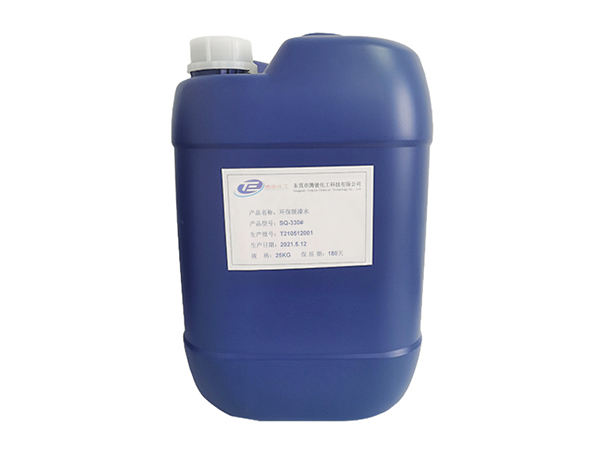
3. Other requirements, such as odor, MSDS, shipping, neutral pH value, instructions for use, billing, etc., please describe the details of your request.
4. If communication is successful, it's best for the buyer to send the workpiece for a sample. Once satisfied with the sample, an order can be placed. Alternatively, the buyer can request a sample to test it themselves. From a student's perspective on solving these problems, requesting a sample is generally better. After all, if the initial sample is not satisfactory, the formula can be adjusted, and another sample can be made and tested until the effect is satisfactory. If the results are not satisfactory, it's fine, but if the results are poor, they might think the IT capabilities are lacking. In such a situation, it's unfair. It's not that they can't do it, it's that they haven't had the opportunity. A standard sample requires establishing a formula. This process cannot guarantee a universal solution; sometimes, continuous adjustments and research on the working effect are sufficient. Therefore, in our usual business interactions, we've found that customers who only request samples have a lower conversion rate.