

In industrial production, choosing the right polishing compound is crucial for improving product surface quality and extending service life. Faced with a dazzling array of polishing compound products on the market, several key factors need to be considered when making a selection.
**Identify the Applicable Material:** Different industrial products are made of different materials, and each material has different requirements for polishing compounds. Metals such as stainless steel and aluminum alloys require targeted polishing compounds to remove surface oxide layers and scratches while ensuring no damage to the metal itself. For example, for stainless steel, a polishing compound with strong abrasive properties can effectively remove stubborn stains, but for softer aluminum alloys, excessive abrasiveness may cause surface scratches; a gentle polishing compound with corrosion inhibition should be chosen. For materials such as plastics and glass, there are also specialized formulations to ensure that their transparency and physical properties are not affected during the polishing process.
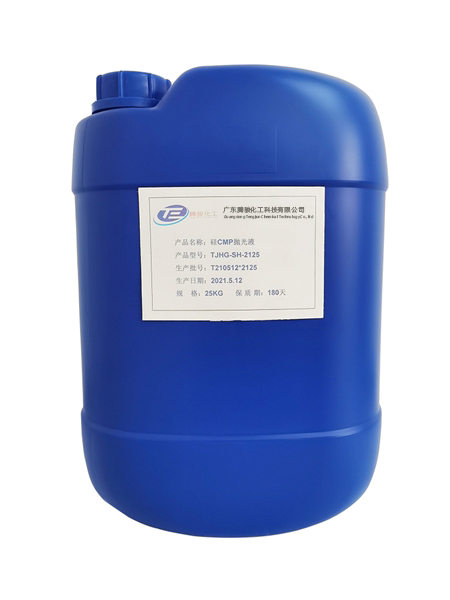
Considering Polishing Effect: The primary purpose of polishing agents is to achieve an ideal surface finish. When selecting one, the desired polishing effect should be determined based on the product's end use and quality standards. For components used in precision optical instruments, requiring an extremely high mirror finish, a polishing agent capable of fine grinding and nano-level polishing is necessary. For general industrial equipment casings, where a certain level of shine is sufficient, a lower-cost, higher-efficiency ordinary polishing agent can be chosen. Simultaneously, the polishing speed of the polishing agent should be considered; a high-efficiency polishing agent can achieve the desired effect in a short time, improving production efficiency.
Consider Ingredients and Safety: The composition of a polishing agent determines its performance and safety. Some polishing agents containing strong acids or alkalis, while possessing strong cleaning and polishing abilities, are corrosive, requiring strict protective measures during operation, and improper disposal after use may pollute the environment. Prioritize polishing agents with mild, environmentally friendly ingredients to ensure operator safety and meet environmental requirements. For example, some polishing agents with plant extracts as their main ingredient are friendly to humans and the environment while ensuring polishing effects. In addition, it's crucial to check whether the polishing agent contains volatile or flammable components to avoid safety hazards during use.
Evaluate Cost-Effectiveness: Cost is an indispensable factor in industrial production. When selecting a polishing agent, one should not only consider the unit price but also the usage amount, polishing effect, and subsequent processing costs. A lower-priced polishing agent, if used in large quantities with poor polishing results, leading to rework or decreased product quality, will actually increase the overall cost. Conversely, some slightly more expensive but high-performance and durable polishing agents may reduce overall costs in the long run. Simultaneously, consider the subsequent costs of cleaning and wastewater treatment after polishing agent use, choosing products that are easy to handle and have low processing costs.
Refer to Brands and Reputation: Polishing agents from well-known brands generally offer better guarantees in terms of quality, performance, and after-sales service. Branded products have undergone long-term market testing, with mature formulas and stable quality. Consulting industry peers, reviewing product tests, and user reviews can help understand the actual usage effects and reputation of different brands of polishing agents. A good reputation indicates that the product has been recognized by users in terms of performance, stability, and applicability, providing an important reference for selection.
When selecting industrial polishing agents, only by comprehensively considering factors such as applicable materials, polishing effect, ingredient safety, cost-effectiveness, and brand reputation can the most suitable product for industrial production needs be selected, thus achieving efficient, high-quality, and safe production goals.
Previous:What factors affect the stability of grinding slurries?
Next:Already the last article